Why Sauna Culture Is Booming Globally
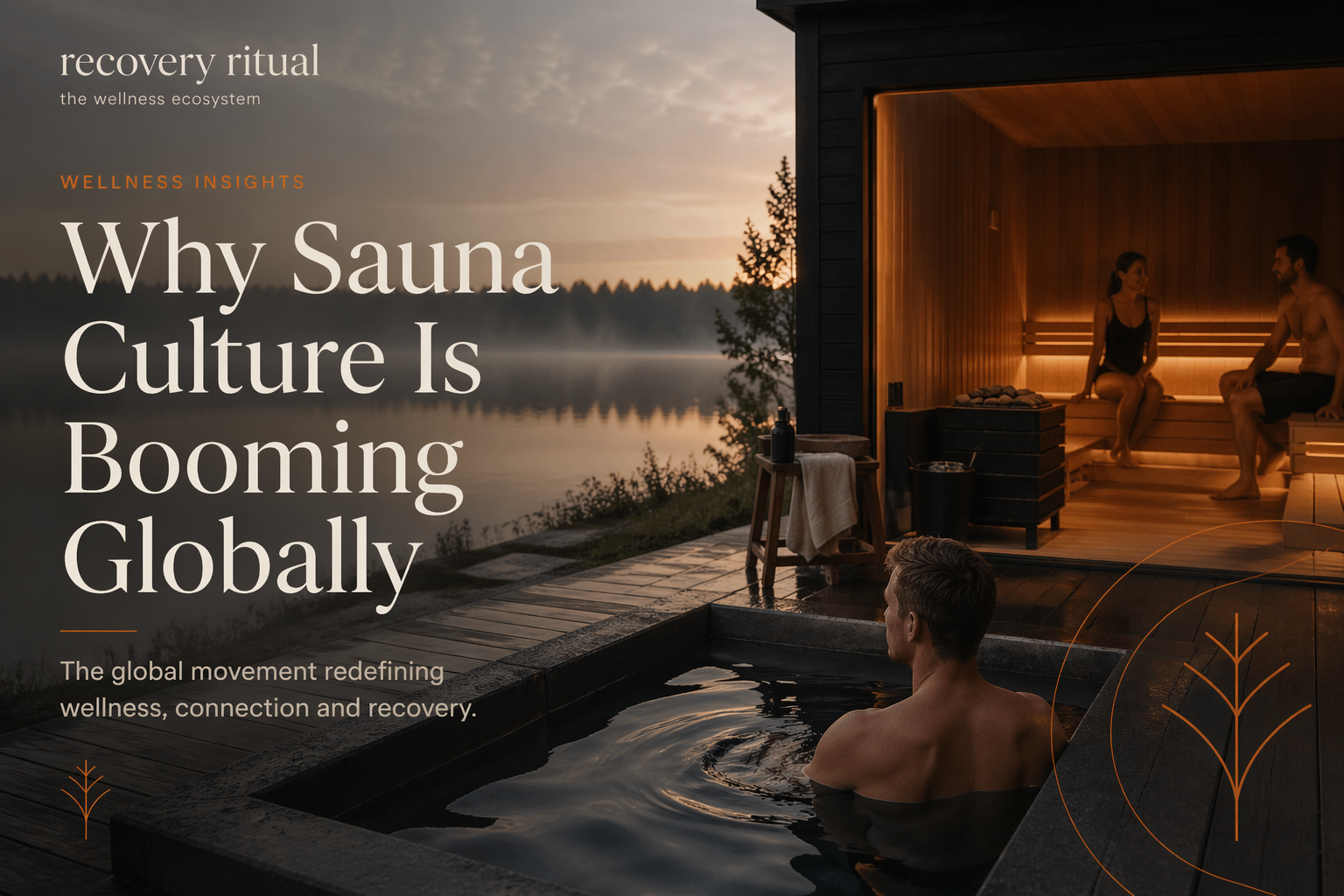
Over the last decade, saunas have transformed from a niche Nordic tradition into a global wellness movement. From rooftop saunas in major cities to luxury hotel contrast therapy suites and backyard barrel saunas, the rise of heat-and-cold therapy has become one of the defining trends of modern wellness culture.
So why now? The answer lies in a powerful combination of science, lifestyle shifts, and cultural change.
1) The Post-Pandemic Wellness Reset
After the pandemic, people began prioritising health, longevity, and mental wellbeing more than ever before. Gym culture evolved into recovery culture.
People no longer ask:
“How hard can I train?”
They ask:
“How well can I recover?”
Saunas became the perfect tool because they offer:
- Stress reduction
- Immune support
- Sleep improvement
- Mental clarity
Wellness moved from performance-only to holistic health, and sauna culture sits perfectly in that shift.
2) Science Finally Went Mainstream
Sauna use isn’t new, but the science went viral.
Research from Finland has been cited globally showing strong links between regular sauna use and:
- Reduced cardiovascular risk
- Lower inflammation
- Improved mental wellbeing
- Longevity benefits
Finland, home of modern sauna culture, has over 3 million saunas for 5.5 million people, making it one of the most studied wellness habits in the world.
As podcasts, social media and health influencers amplified this research, sauna use suddenly moved from “luxury spa activity” to daily health practice.
3) The Rise of Contrast Therapy

Saunas didn’t explode alone, they rose alongside cold exposure.
Contrast therapy (hot + cold cycles) became mainstream thanks to figures like Wim Hof and the growth of performance and biohacking culture.
This pairing created a powerful narrative:
- Heat = relaxation & detox
- Cold = resilience & energy
- Combined = peak recovery
Contrast therapy quickly became one of the most talked-about wellness rituals worldwide.
4) Socialising Is Changing
One of the most overlooked reasons sauna culture is booming is social change.
Younger generations are:
- Drinking less alcohol
- Seeking healthier social spaces
- Prioritising meaningful experiences
Saunas provide a new type of social environment:
- Tech-free
- Alcohol-free
- Conversation-friendly
- Experience-led
In many cities, “sauna nights” are replacing nights out.
This shift is often called social wellness, and saunas are at the centre of it.
5) Wellness Became an Experience Economy
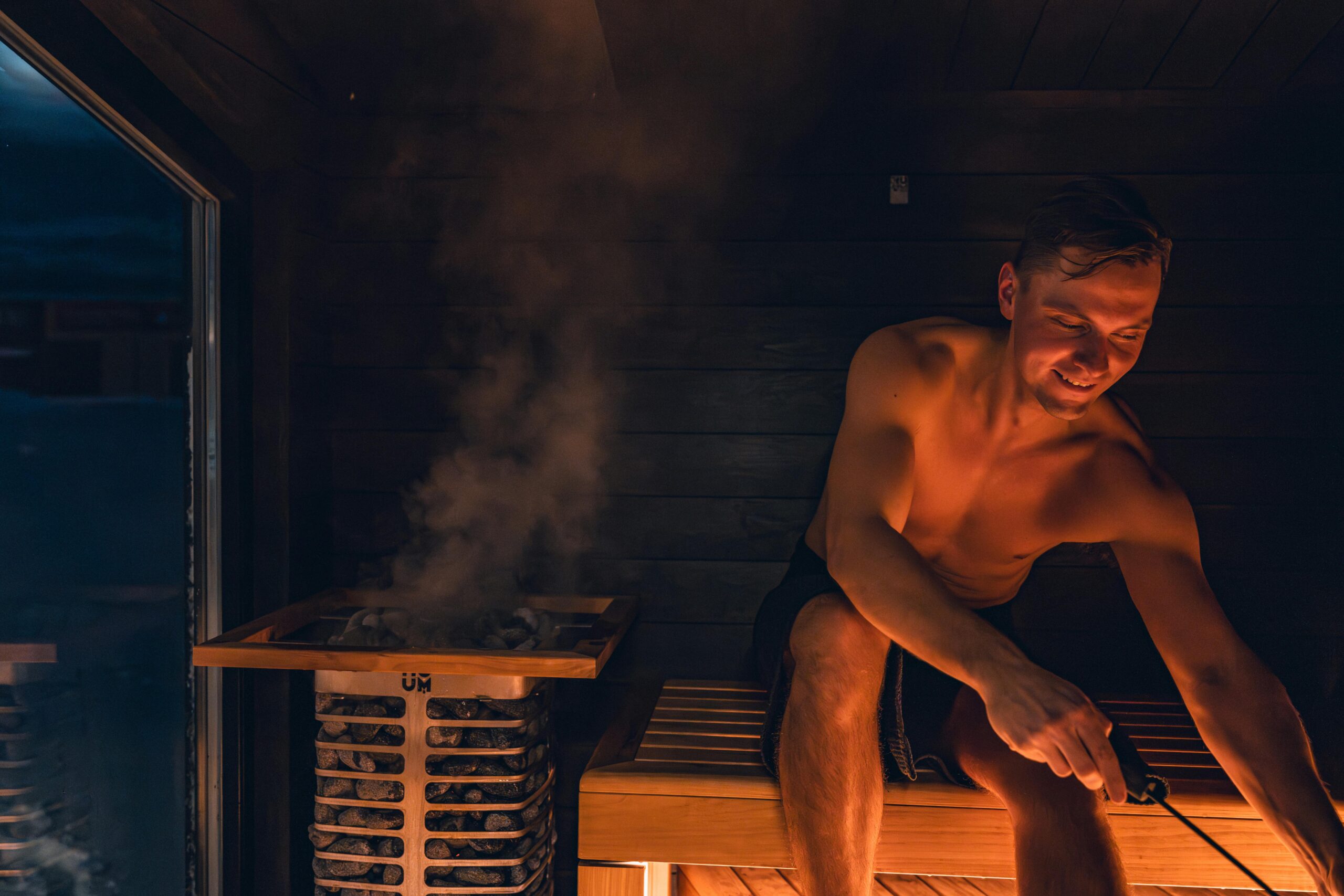
Modern consumers value experiences over possessions.
Instead of buying more “stuff,” people invest in:
- Retreats
- Wellness clubs
- Recovery memberships
- Rituals and routines
Saunas offer a repeatable, ritual-driven experience that fits perfectly into subscription and membership models.
This makes them attractive not just to consumers, but to:
- Hotels
- Gyms
- Hospitality venues
- Developers
- Wellness brands
Saunas are now considered wellness infrastructure.
6) Urbanisation Created the Need for Nature Rituals
As cities grow denser and digital lives become more intense, people crave analog rituals.
Sauna culture offers:
- Heat
- Water
- Silence
- Slowness
It reconnects people with primal experiences that modern life removed.
In a hyper-digital world, sitting quietly in steam has become revolutionary.
7) Saunas Became Accessible
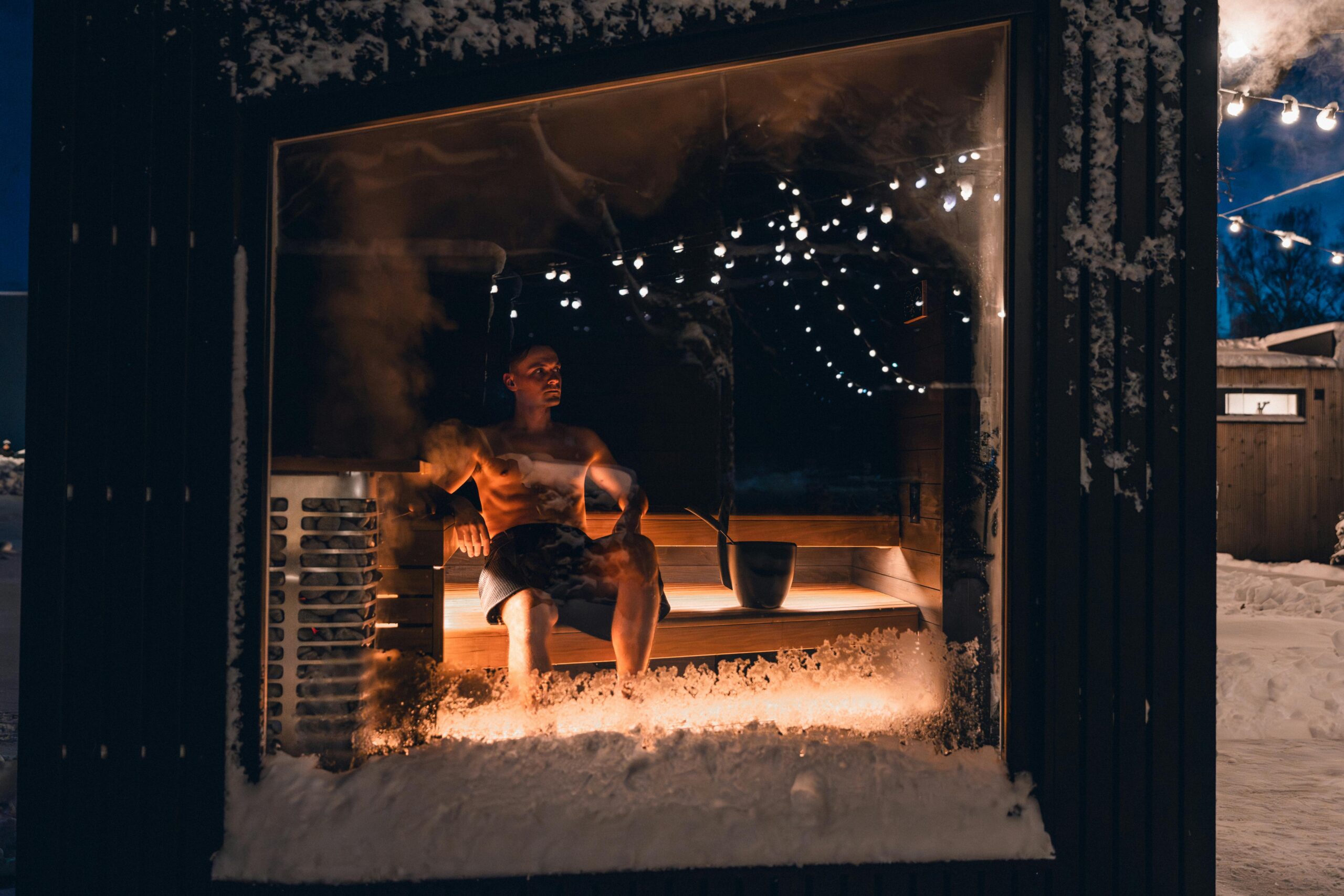
Historically, saunas were expensive spa luxuries.
Today, the market has expanded to include:
- Backyard saunas
- Portable saunas
- Community sauna venues
- Membership-based recovery clubs
This accessibility transformed sauna culture from elite to mainstream.
The Bigger Picture: From Trend to Movement
What we’re witnessing isn’t just a sauna trend, it’s a global cultural shift toward recovery.
Saunas now sit at the intersection of:
- Health science
- Social change
- Experience economy
- Longevity culture
- Hospitality innovation
This is why sauna culture is booming, and why it’s likely to keep growing for decades.
FAQs
Why are saunas becoming so popular?
Because they combine proven health benefits, social experiences, and recovery rituals in one simple practice.
Is sauna use a trend or a long-term movement?
All signs suggest long-term growth driven by science, lifestyle changes, and the rise of recovery culture.
Why are businesses investing in sauna experiences?
They attract health-conscious customers and create repeatable wellness experiences that drive memberships and loyalty.
Do you need cold plunges with saunas?
No, but combining heat and cold enhances recovery, energy, and resilience.